


EcologicalImportance
A managed ecosystem that protects Israel's water sources and hosts hundreds of millions of birds on their flight between three continents.
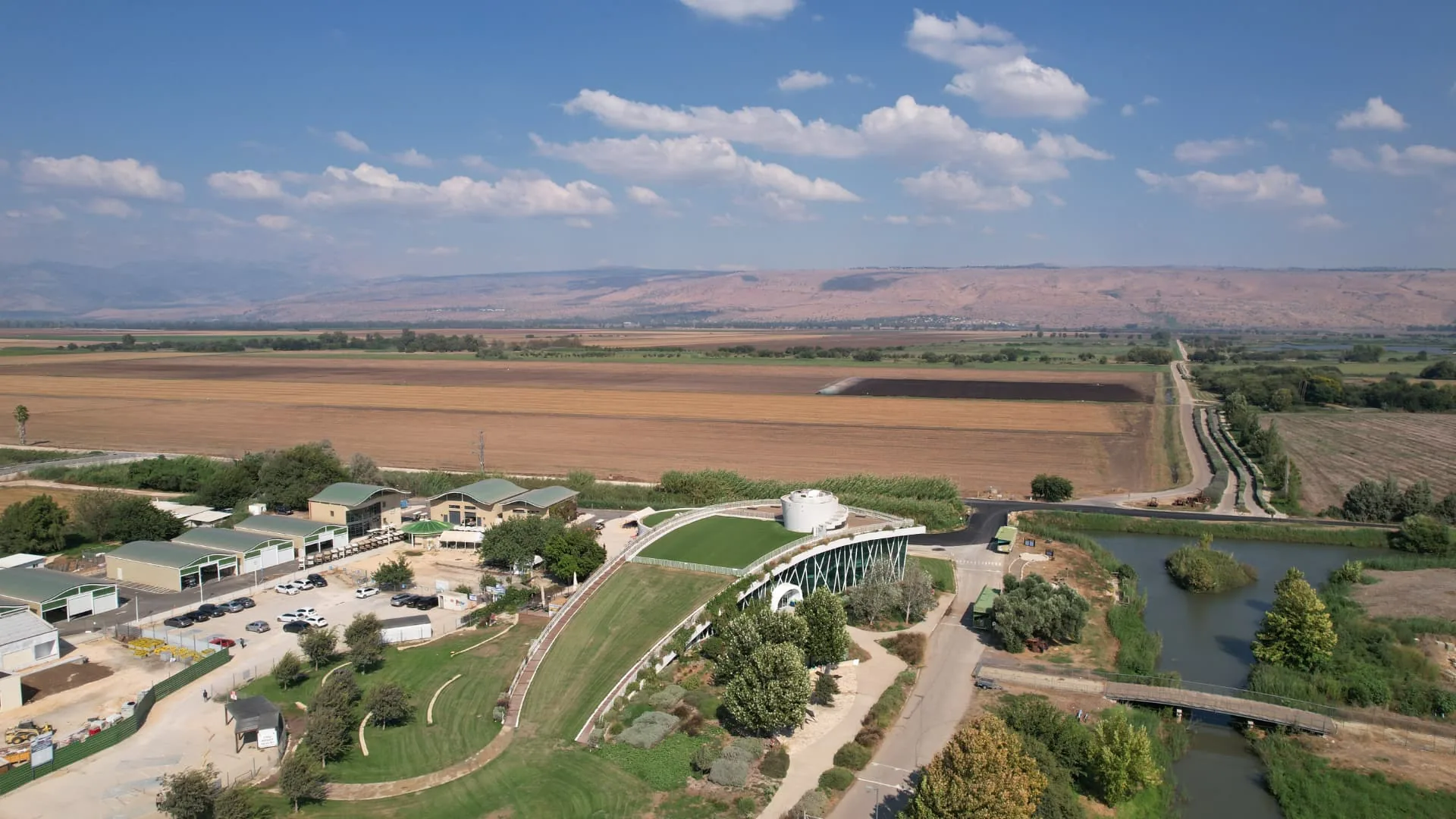
Agamon HaHula is much more than a spectacular landscape and a day out — it is an environmental engineering miracle. The Agamon's water system and the surrounding canals network operate as a managed, artificial ecosystem (Constructed Wetland System). It was built to repair the damage of the historic drainage, restore the natural balance to the region, and protect the State of Israel's water sources.
A critical stopover on the international migration route (Flyway)
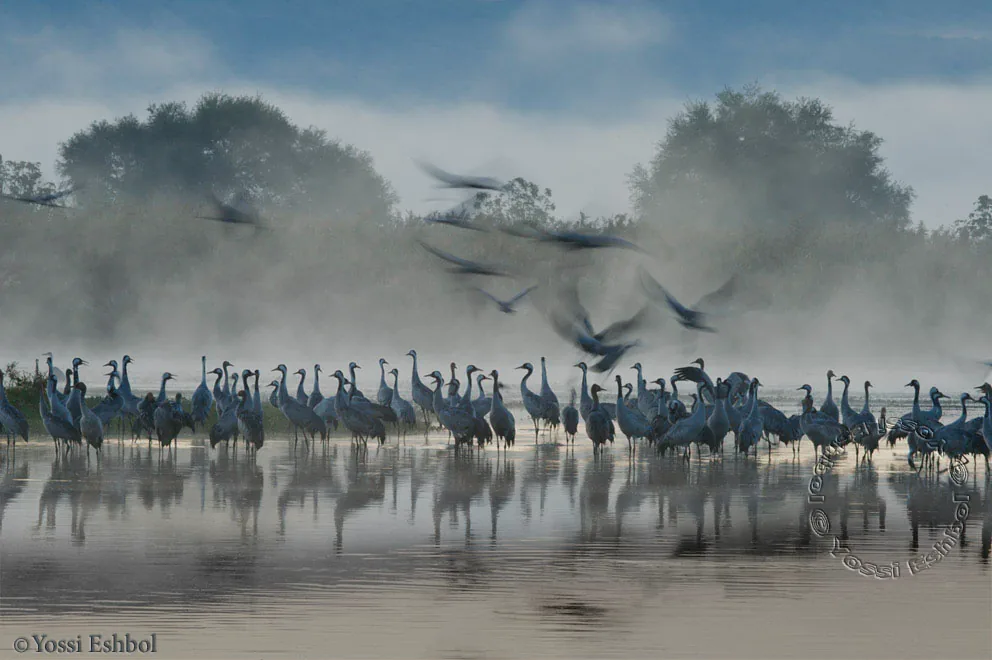
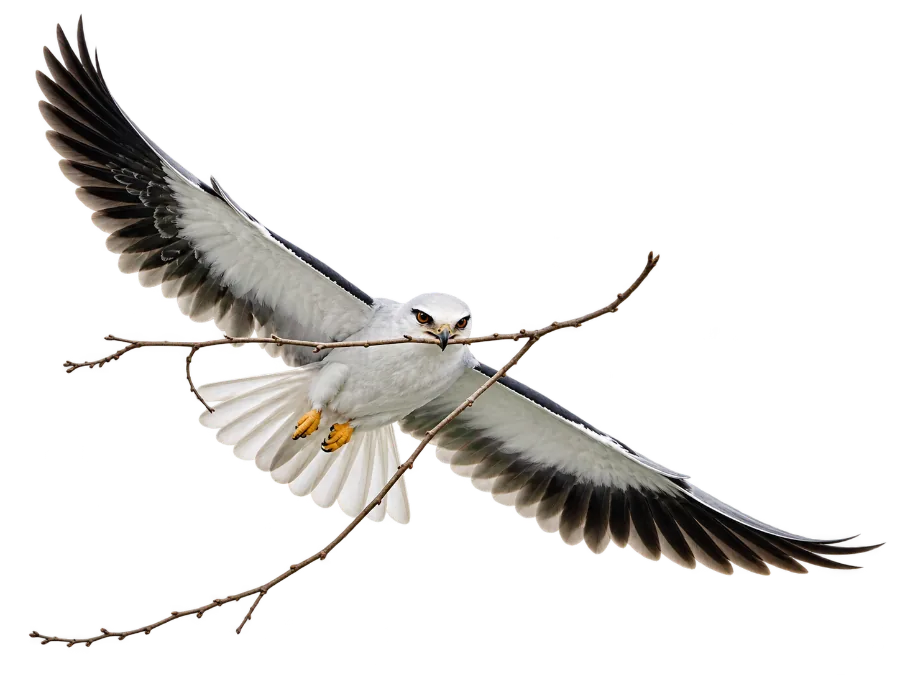
Every autumn and spring, hundreds of millions of birds pass over the Agamon. Israel is a narrow, essential geographic 'bottleneck' linking Europe, Asia and Africa. For migrating birds, the Hula Valley is a green, wet oasis — a critical stopover that allows them to 'refuel', rest and restore energy. For many species, the absence of a food-rich resting place before or after the grueling crossing of the deserts around us means a real risk of extinction.
A land bridge between continents and biodiversity
The Hula Valley's unique geographic location at the meeting point of three continents creates a spectacular encounter of rich biodiversity, where species from completely different ranges meet.
A wonderful example can be seen in the three kingfisher species living side by side at the Agamon, each representing a different continental origin:
- The common kingfisher – representing the Euro-Asian origin (migratory species)
- The pied kingfisher – representing the African origin (resident species)
- The white-throated kingfisher – representing the Asian/Indo-Malayan origin (resident species)
This intercontinental connection makes the Agamon a one-of-a-kind hub where the richness of species and ecological combinations is unlike anywhere else in the world.
The Hula Valley is a green, wet oasis — a critical stopover that allows birds to rest and restore energy.

The importance of habitat diversity
The secret of the Agamon's biological richness lies in creating a mosaic of habitats (the natural environment in which a living creature lives). The park is not just a lake, but a complex system that includes water bodies of varying depths, muddy and exposed banks, flowing canals, dense thickets of bank vegetation, farm fields and open dry areas.
This topographic and hydrological diversity meets the different needs of many species: from species that need deep water for hunting and diving, through species that rely on shallow water and mud to forage, to species that find in the thick vegetation and groves a safe place to hide, nest and roost, protected from predators.
A biological filter protecting the Sea of Galilee
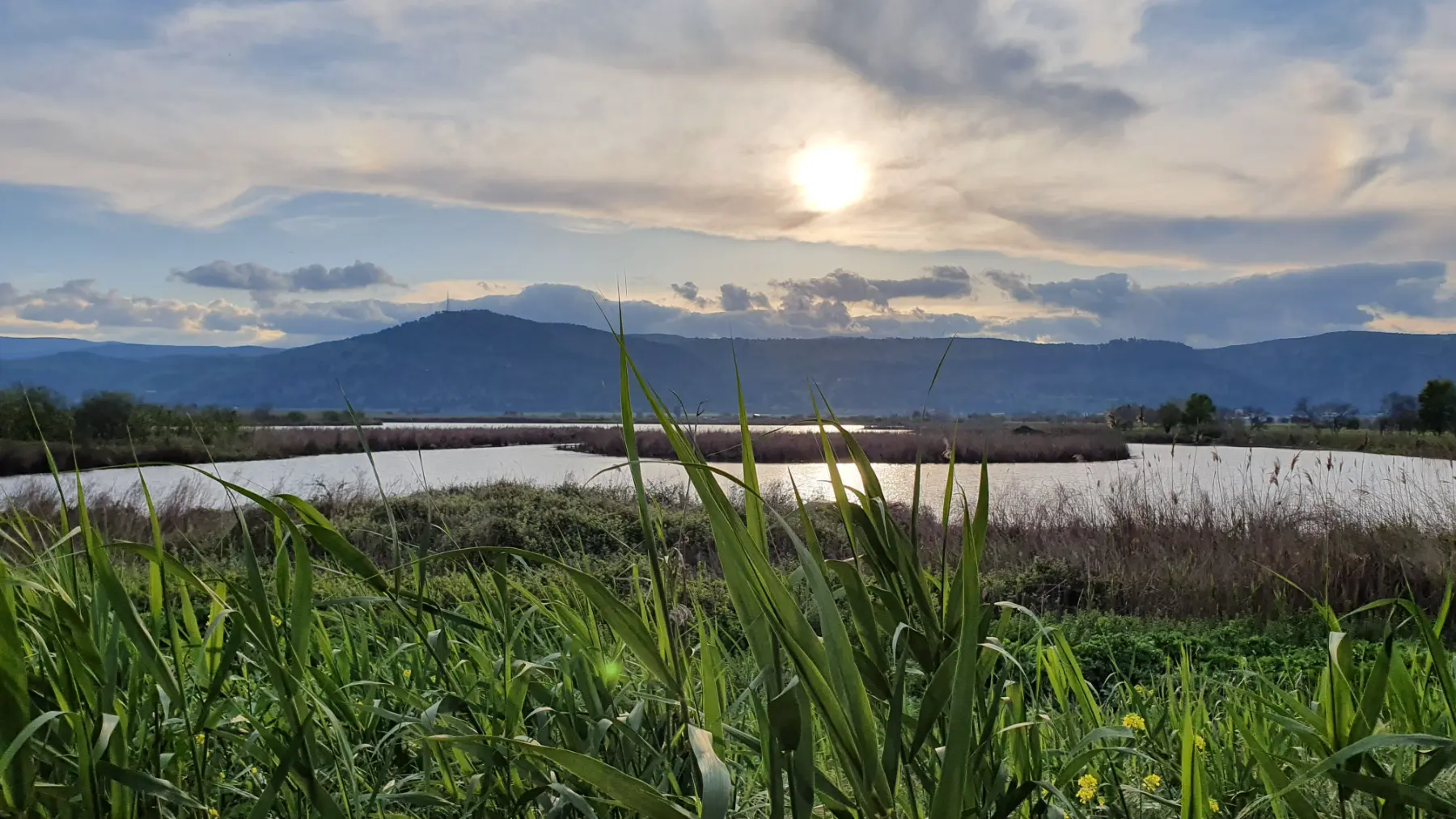
When rainwater and streams flow through the valley's peat soils, they wash away organic matter and minerals. Without the Agamon, this water would flow straight into the Sea of Galilee, carrying excess nutrients (such as nitrogen and phosphorus) that would cause severe pollution and harm the lake's water quality.
The Agamon and its hydrophilic (aquatic) vegetation act as a natural filtration system: the water flows slowly, solids settle, and aquatic plants absorb the excess nitrogen and phosphorus and use them to grow. As a result, much cleaner water exits the Agamon on its way south.
A refuge garden for endangered plants and biodiversity
A unique botanical garden of aquatic plants was established inside the park, serving as a Refuge Garden. The garden is dedicated to rescuing, propagating and reintroducing rare aquatic plants whose natural habitat in Israel has shrunk due to development and climate change.
The garden's unique, protected vegetation attracts a wide variety of animals, including amphibians and the order Odonata (dragonflies and damselflies). Odonata are represented at the Agamon in exceptional richness and diversity — including rare and endangered species. Their abundant presence is not only a feast for the eyes; they serve as high-quality bio-indicators, testifying to the health, cleanliness and stability of the entire ecosystem.
Agroecological management: an ongoing learning challenge
The Agamon is an active research field for developing agroecological management — a model that examines the complex link between the needs of agriculture and nature conservation. One of the most prominent examples is the encounter between the thousands of cranes arriving in the valley and the farm fields — an encounter that creates a complex conflict.
As part of meeting this challenge, farmers spread corn kernels for the cranes in a designated area inside the park to reduce damage to crops while providing the cranes a safe place to stay and roost in the shallow lake. This project is not a final magical solution but a dynamic learning process that is constantly examined and re-evaluated together with farmers, scientists and conservation bodies in an ongoing effort to improve and find the right balance.
An open laboratory and long-term ecological research (LTER)
Agamon HaHula serves as a one-of-a-kind open laboratory. Since 1994, comprehensive, continuous, multi-year ecological monitoring — among the most detailed in Israel — has been carried out at the site, tracking water quality, vegetation, fish, birds, mammals and micro-organisms.
This unique database contributes locally to precise, science-based environmental management, and internationally serves as a global model for research on wetland restoration and coping with climate change.

A living system that keeps teaching us
Every season at the Agamon brings new data, new species and new questions.